
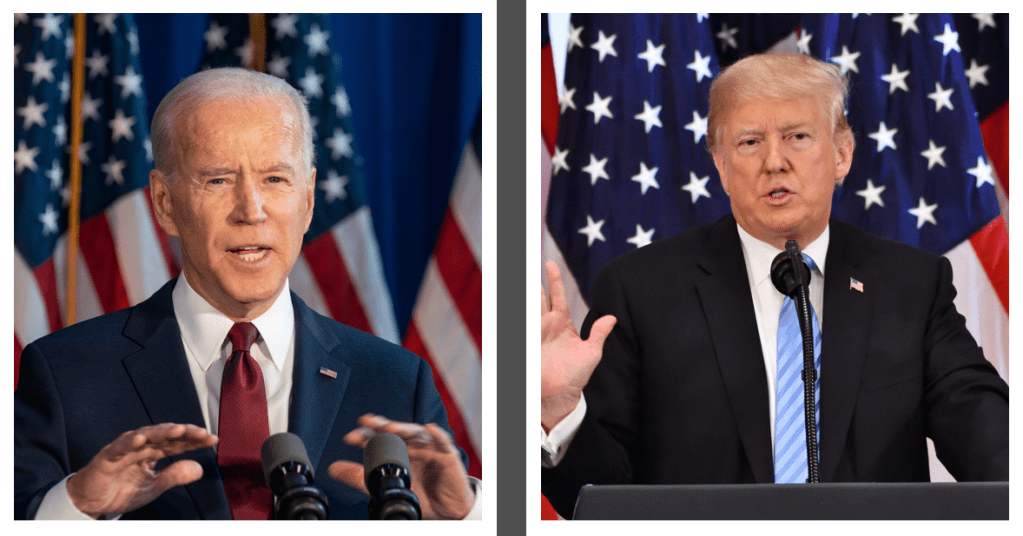
Two Visions for American Schools: A Comparative Analysis of Biden and Trump’s Education Policies
The education policies and initiatives of President Joe Biden and former President Donald Trump represent two very different visions for the future of schools in the U.S. Biden’s policies focus on supporting public schools, promoting equity, diversity, and inclusion, and increasing federal support to ensure quality education for all students. In contrast, Trump’s policies emphasize school choice, local control, and reduced federal regulation. Public education addresses challenges such as funding inequalities and curriculum policies. These contrasting perspectives have significant implications for students, teachers, and communities. Here, we’ll break down the key differences between Biden’s and Trump’s education policies and see how they attempt to address (or rewrite) priorities for U.S. education.
A Comparison of Biden and Trump’s Education Policies and Initiatives
| Policy Area | Biden | Trump |
|---|---|---|
| School Choice | Focus on public school investment | Strong emphasis on choice, vouchers, charters |
| Federal Oversight | Federal oversight for equity and inclusion | Minimize federal role, state control |
| Teacher Support | Increased funding, teacher support | Proposed cuts to public school funding |
| Equity and Access | Strong focus on diversity, closing achievement gaps | Less focus on diversity programs |
| Student Loans | Forgiveness initiatives, Pell Grant increase | Simplification, no forgiveness |
| Curriculum | Inclusive curriculum, diverse perspectives | “Patriotic education,” less focus on CRT |
School Choice vs. Public School Investment
Biden’s Approach: The Biden administration has prioritized strengthening public schools by directing federal funds to improve traditional public education. The administration opposes federal funding for private school vouchers, focusing instead on reducing inequities within public school systems (National Education Association, 2021).
Trump’s Approach: The Trump administration strongly advocated for school choice, promoting charter schools and voucher programs to give parents more options for their children’s education (U.S. Department of Education, 2020).
Federal Oversight and Accountability
Biden’s Approach: Biden’s Department of Education maintains a substantial role in ensuring equitable access and outcomes, with a focus on civil rights compliance and support for underserved students (American Rescue Plan Act, 2021).
Trump’s Approach: The Trump administration sought to reduce federal oversight, favoring local control in education policy and minimizing federal mandates (Brookings Institution, 2020).
Funding Priorities and Teacher Support
Biden’s Approach: Biden’s American Rescue Plan increased funding for public schools, addressing staffing shortages and enhancing teacher pay, particularly in lower-income areas (U.S. Congress, 2021).
Trump’s Approach: Trump’s budgets often proposed cuts to programs supporting public schools, including Title II and Title IV, which fund teacher development and well-rounded education programs (American Enterprise Institute, 2020).
Equity and Access
Biden’s Approach: Biden’s policies promote equity, inclusion, and closing achievement gaps for students from marginalized backgrounds, restoring guidance supporting diversity in education (National Education Association, 2021).
Trump’s Approach: The Trump administration reduced federal involvement in diversity efforts, including rolling back guidance on admissions policies considering racial diversity (U.S. Department of Education, 2020).
Student Loans and Higher Education
Biden’s Approach: Biden has focused on making higher education affordable, with initiatives like student loan forgiveness (up to $20,000 for eligible borrowers) and expanded Pell Grants (Brookings Institution, 2021).
Trump’s Approach: Trump’s administration proposed a simplified loan repayment system without prioritizing forgiveness, promoting vocational training as an alternative to traditional college pathways (American Enterprise Institute, 2020).
Curriculum and Content
Biden’s Approach: Biden’s administration supports an inclusive curriculum, encouraging schools to incorporate diverse perspectives and histories, including racial justice and social issues (National Education Association, 2021).
Trump’s Approach: The Trump administration emphasized “patriotic education” and sought to limit content it viewed as divisive, such as Critical Race Theory (The Heritage Foundation, 2022).
References
American Enterprise Institute. (2020). Education policy critiques and comparisons. Retrieved from AEI.org
Brookings Institution. (2020). Comparative analyses on Trump and Biden’s education policies. Retrieved from Brookings.edu
National Education Association. (2021). Education policy analyses on Trump vs. Biden administration. Retrieved from NEA.org
The Heritage Foundation. (2022). Project 2025 Policy Agenda. Retrieved from Heritage.org
U.S. Congress. (2021). American Rescue Plan Act. Public Law 117–2. Retrieved from Congress.gov
U.S. Department of Education. (2020). Archived Policies and Reports. Retrieved from ed.gov
“Content in this blog was developed in collaboration with Chat GPT, (November 2024 version).”
Addressing New Threats to School Safety
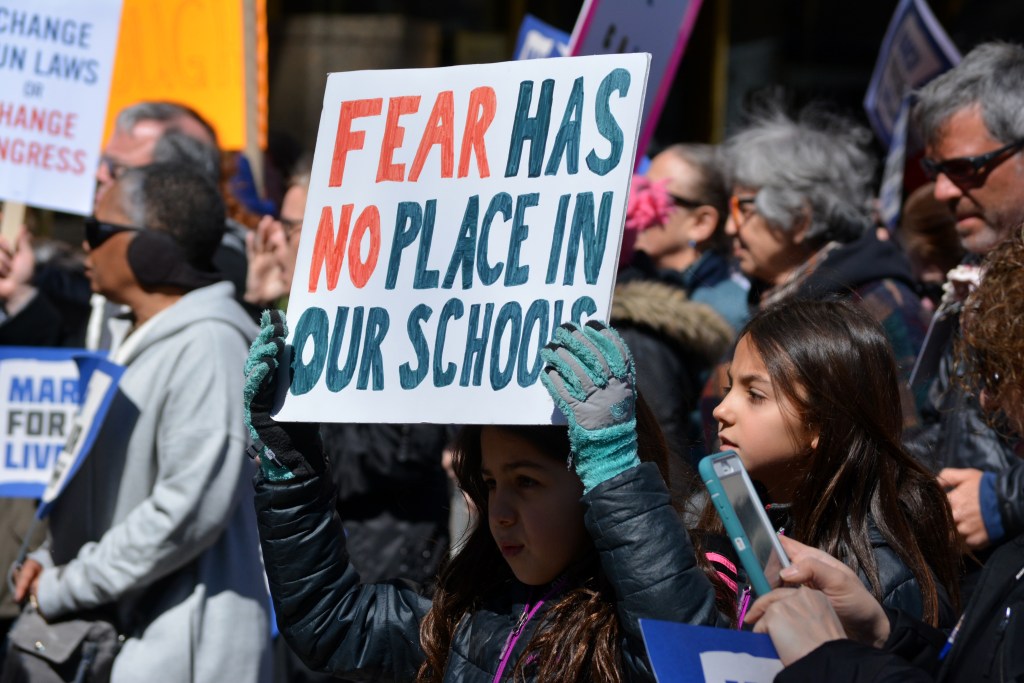
As school districts prioritize safety, concerns such as gun violence, teacher and student wellness, and a secure learning environment have become critical issues. These challenges underscore the importance of enhancing both preventive and responsive safety measures in schools.
Rising Incidents of School Shootings
Recent data reveal a troubling rise in school shootings. The Center for Homeland Defense and Security (CHDS, 2023) reported 56 school shootings during the 2021-2022 academic year, a significant increase compared to previous years. This trend reflects a broader rise in gun violence nationwide, attributed to factors including social instability and mental health issues (CHDS, 2023). Research from The Violence Project (2024) supports these findings, highlighting that over 200 school shootings have occurred since 2020, resulting in more than 208 injuries or fatalities among students and staff.
Recent Tragic Incidents
Tragic events such as the October 24, 2022, shooting at Central Visual and Performing Arts High School in St. Louis illustrate the urgency of addressing school violence. In this incident, teacher Jean Kuczka and student Alexandria Bell lost their lives when 19-year-old Orlando Harris entered the school armed with an AR-15 before being stopped by police (CNN, 2022). Another incident on September 6, 2024, saw Jasmine Turner, a student at Westlake High School in Georgia, fatally shot by fellow student Marcus Robinson, with several other students reportedly injured (NBC News, 2024).
Impact on Teachers and Students
The emotional toll of these incidents on teachers and students has been severe. According to the National Education Association (NEA, 2023), nearly one in ten teachers has left the profession in the last five years, citing safety concerns, stress, and burnout. This turnover strains those who remain, impacting both staff well-being and student learning. The American Psychological Association (2023) found that 40% of students report school-related anxiety, leading to increased absenteeism and lower class participation.
Addressing the Issues
In response to these rising safety concerns, the federal government has allocated $1 billion to fund school safety initiatives, including hiring additional security personnel and expanding mental health services (U.S. Department of Education, 2024). Schools are also adopting threat assessment programs and emphasizing social-emotional learning to foster well-being and resilience among students and staff.
These initiatives reflect a coordinated effort by policymakers, educators, and community leaders to improve the safety and support structure within schools, aiming to foster a secure and supportive learning environment.
Works Cited
American Psychological Association. (2023). The psychological impact of school violence. APA.
Center for Homeland Defense and Security. (2023). School shooting statistics. CHDS. https://www.chds.us
CNN. (2022, October 24). St. Louis school shooting leaves two dead. CNN. https://www.cnn.com
National Education Association. (2023). Teacher attrition and safety concerns. NEA.
NBC News. (2024, September 6). Georgia high school shooting: Details and casualties. NBC News. https://www.nbcnews.com
The Violence Project. (2024). School shootings data. The Violence Project.
U.S. Department of Education. (2024). Federal funding for school safety. U.S. DOE.
“Content in this blog was developed in collaboration with Chat GPT, (November 2024 version).”
 National Ed Talk